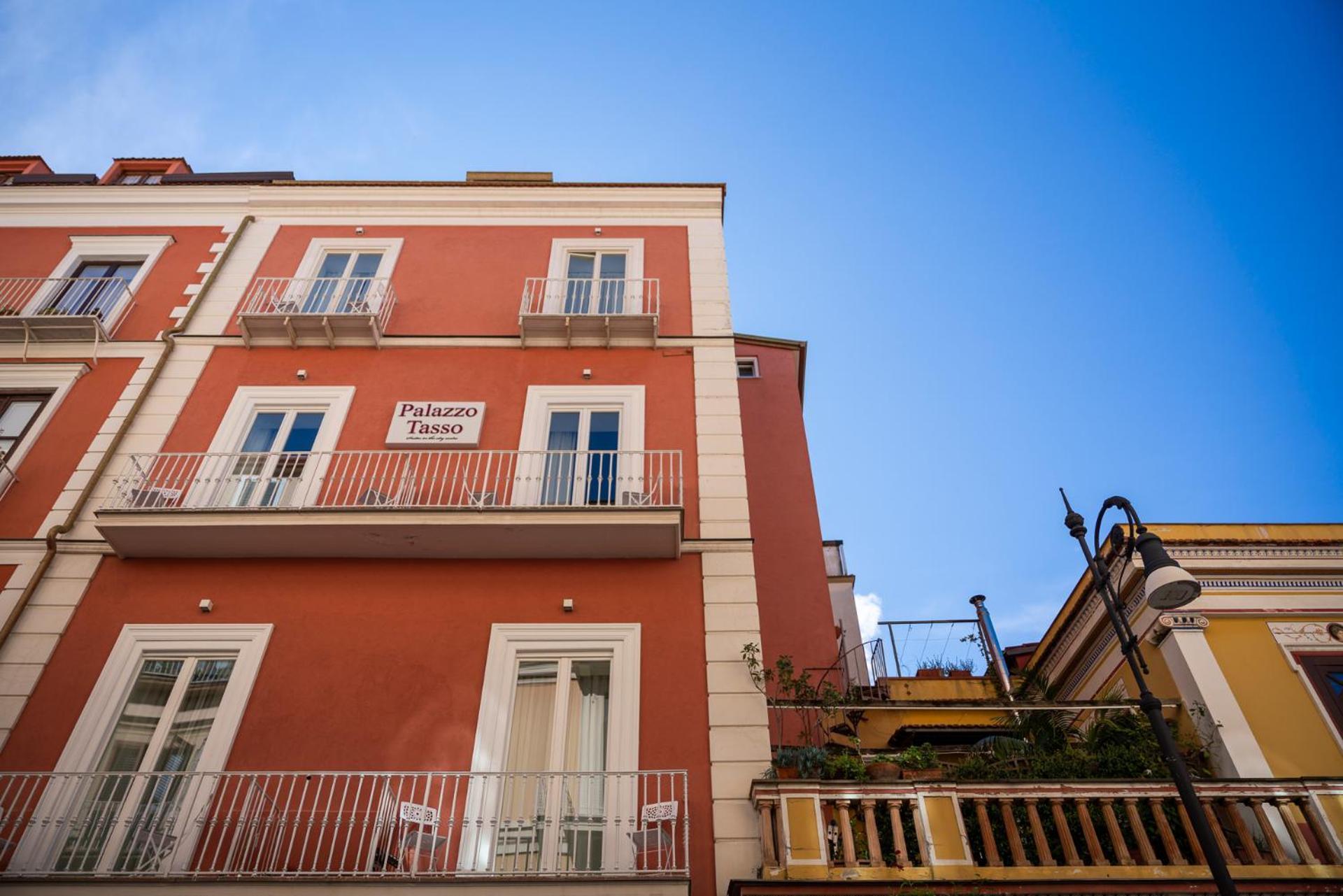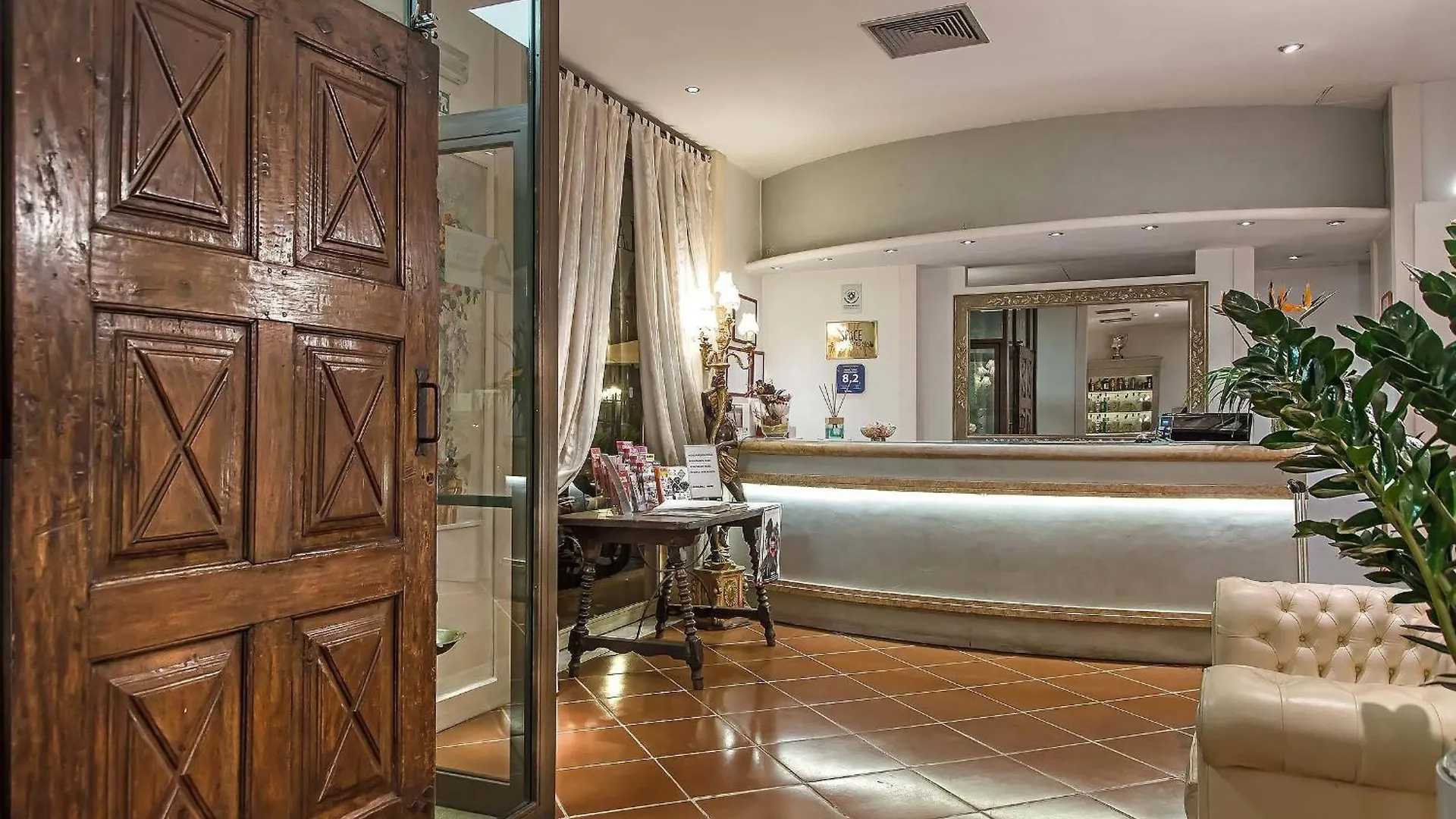
Florence's Historic Centre - the Centro Storico - is a UNESCO World Heritage Site where the Duomo, Uffizi Gallery, Ponte Vecchio, and Piazza della Signoria sit within minutes of each other on foot. Staying here means waking up inside one of the most concentrated clusters of Renaissance architecture in the world, housed in buildings that predate most modern nations. This guide covers 4 historical hotels in Florence Historic Centre, with specific details on location, room character, and what each property actually delivers.
What It's Like Staying in Florence Historic Centre
The Centro Storico is genuinely walkable: every major landmark sits within a 650-metre radius of the Duomo, meaning Piazza della Signoria, the Uffizi, and Ponte Vecchio are all reachable on foot in under 10 minutes. The trade-off is pedestrian density - Via dei Calzaiuoli and the streets surrounding the Cathedral attract enormous crowds between 9am and 7pm, and the noise from tour groups and street vendors is constant during this window. The entire Historic Centre falls inside Florence's ZTL (Zona a Traffico Limitato), so car access is restricted; guests staying at registered hotels can arrange entry through their property, but anyone expecting to drive freely will be surprised.
Pros:
* Zero transport dependency - every landmark within walking distance
* Unmatched concentration of Renaissance architecture, museums, and historic churches on your doorstep
* Historical hotels here occupy genuine medieval and Renaissance buildings, giving the stay architectural weight that modern districts cannot replicate
Cons:
* Pedestrian crowds peak heavily from mid-morning through early evening, particularly around the Duomo and Piazza della Signoria
* Street noise - especially in summer - carries into rooms facing main thoroughfares
* ZTL restrictions make car-based arrivals and departures more complex than outer districts
Why Choose Historical Hotels in Florence Historic Centre
Historical hotels in the Centro Storico occupy buildings with genuine architectural provenance - converted monasteries, 14th-century palazzi, and Renaissance residences - which gives them a structural character that boutique or modern properties in the same area cannot replicate. Rooms in these properties often retain original beamed ceilings, terracotta floors, antique furniture, and frescoed details, features that are built into the fabric of the building rather than applied as decoration. Price positioning varies: expect to pay a noticeable premium versus standard mid-range options in the same zone, with historical properties in the Centro Storico frequently commanding around 30% more than comparable modern hotels nearby. Room sizes in converted historic buildings can be irregular - some Superior rooms are genuinely large, while Classic categories may reflect the original cell or chamber dimensions of the original structure, so verifying room dimensions before booking matters more here than in new-build hotels.
Pros:
* Original period architecture integrated into the room experience - wooden-beamed ceilings, terracotta floors, antique furniture - not reproduced
* Locations inside or immediately adjacent to the most visited Renaissance squares and monuments in the city
* Properties with historical status often have concierge services and contextual knowledge of the district that generic hotels lack
Cons:
* Room sizes in converted historic buildings can be inconsistent - Classic rooms may be smaller than equivalent categories in modern hotels
* Some properties have internal steps or structural limitations that affect accessibility
* Premium pricing reflects address and heritage, not necessarily square footage or modern amenities
Practical Booking & Area Strategy
For the strongest micro-location within the Historic Centre, streets closest to Piazza della Signoria - including Via dei Calzaiuoli, Via della Vigna Nuova, and Via dei Tornabuoni - place you within a 5-minute walk of both the Uffizi and the Duomo simultaneously. Via dei Servi and Piazza Santissima Annunziata, further northeast toward the Accademia, are noticeably quieter at night while still fully walkable to the main sights. Book at least 8 weeks in advance for April through June and September through October, the periods when occupancy in the Centro Storico peaks and historical properties sell out fastest; last-minute availability in high season is rare and expensive. The main train station, Firenze Santa Maria Novella, sits at the western edge of the Historic Centre - a brisk 10-minute walk from the Duomo - so guests arriving by train can reach most hotels without any additional transport. Things to do within walking distance include the Uffizi Gallery, Accademia (Michelangelo's David), Mercato Centrale, Bargello Museum, Baptistery of San Giovanni, and Ponte Vecchio, making a 3-night stay the practical minimum to cover the core sights without feeling rushed.
Best Value Historical Stays
These two properties deliver genuine historic character at more accessible price points, with locations that keep the main monuments within a short walk.
-
1. Hotel Atlantic Palace
Show on map


 Check-infrom 14:00 until 23:59Check-outuntil 11:00
Just a few rooms left at the best rate!
from€ 58
-
2. Hotel De Lanzi
Show on map


 Check-infrom 14:00 until 23:59Check-outfrom 07:00 until 11:00
Just a few rooms left at the best rate!
from€ 65
Best Premium Historical Stays
These two properties sit at the upper end of the Historic Centre's historical hotel offering, combining Renaissance-era architecture with well-positioned rooms and standout address quality.
-
3. Loggiato Dei Serviti
Show on map


 Check-infrom 14:00 until 23:59Check-outuntil 11:00
Hurry – almost gone at this price!
from€ 101
-
4. Relais Piazza Signoria
Show on map


 Check-infrom 13:00 until 17:00Check-outfrom 06:00 until 11:00
Rooms filling fast – secure the best rate!
from€ 103
Smart Travel & Timing Advice for Florence Historic Centre
April through early June and September through October are the two windows when the Historic Centre offers the best balance of manageable crowds, mild temperatures, and full museum availability - these are also the periods when historical hotel rates peak, so booking around 8 weeks ahead is the minimum viable strategy for securing preferred room categories. July and August push street-level temperatures well above 30°C, crowds around the Duomo and Uffizi reach their yearly maximum, and hotel prices reflect it; guests who visit in this window without advance bookings routinely find historical properties fully occupied. January, February, and November are the quietest months with the lowest rates, but some smaller historical properties reduce services or close for short periods in January. A stay of 3 nights is the practical minimum to cover the Uffizi, Accademia, Duomo complex, and Ponte Vecchio without rushing; 4 to 5 nights allows for day excursions to Siena or the Chianti wine region while keeping a Centro Storico base. Last-minute bookings in peak season in this district are high-risk - historical hotels with limited room counts sell out weeks in advance, and the properties that remain available at short notice are rarely the ones in the most characterful buildings.