Sorrento's city centre concentrates centuries of history within a compact clifftop grid - and the hotels here reflect that. From 19th-century noble palazzi steps from Piazza Tasso to cliff-edge grand hotels with private Mediterranean gardens, staying in a historic property in the centre means waking up inside the architecture that defines the town, not next to it.
What It's Like Staying in Sorrento City Centre
Sorrento City Centre is compact by design - the entire historic grid between Piazza Tasso, Corso Italia, and the clifftop promenade takes around 10 minutes to cross on foot. Almost every restaurant, transport link, and departure point for the islands is within walking distance, which makes a central stay functionally efficient. The tradeoff is noise: Corso Italia and the streets feeding into Piazza Tasso stay active until midnight in high season, and the proximity to the train station means early-morning foot traffic is constant.
Travelers who arrive by ferry from Naples or Capri land directly at Marina Piccola, connected to the centre by a cliffside lift or a steep pedestrian path - a central hotel eliminates the need for taxis after evening departures. Those seeking quiet coastal retreats or private beach access will find the city centre less suitable than outlying areas like Sant'Agnello.
Pros:
- Walking access to ferries, trains, and Circumvesuviana rail connections to Pompeii and Naples
- Concentrated restaurant and nightlife scene along Via San Cesareo and Piazza Tasso
- Historic architecture, clifftop views, and the Villa Comunale garden all within a 5-minute walk
Cons:
- Street noise from Corso Italia and Piazza Tasso persists late into the evening
- Narrow historic streets make car access difficult; parking requires valet or off-site arrangements
- High season crowds peak around the main square and market streets, limiting the sense of calm
Why Choose a Historic Hotel in Sorrento City Centre
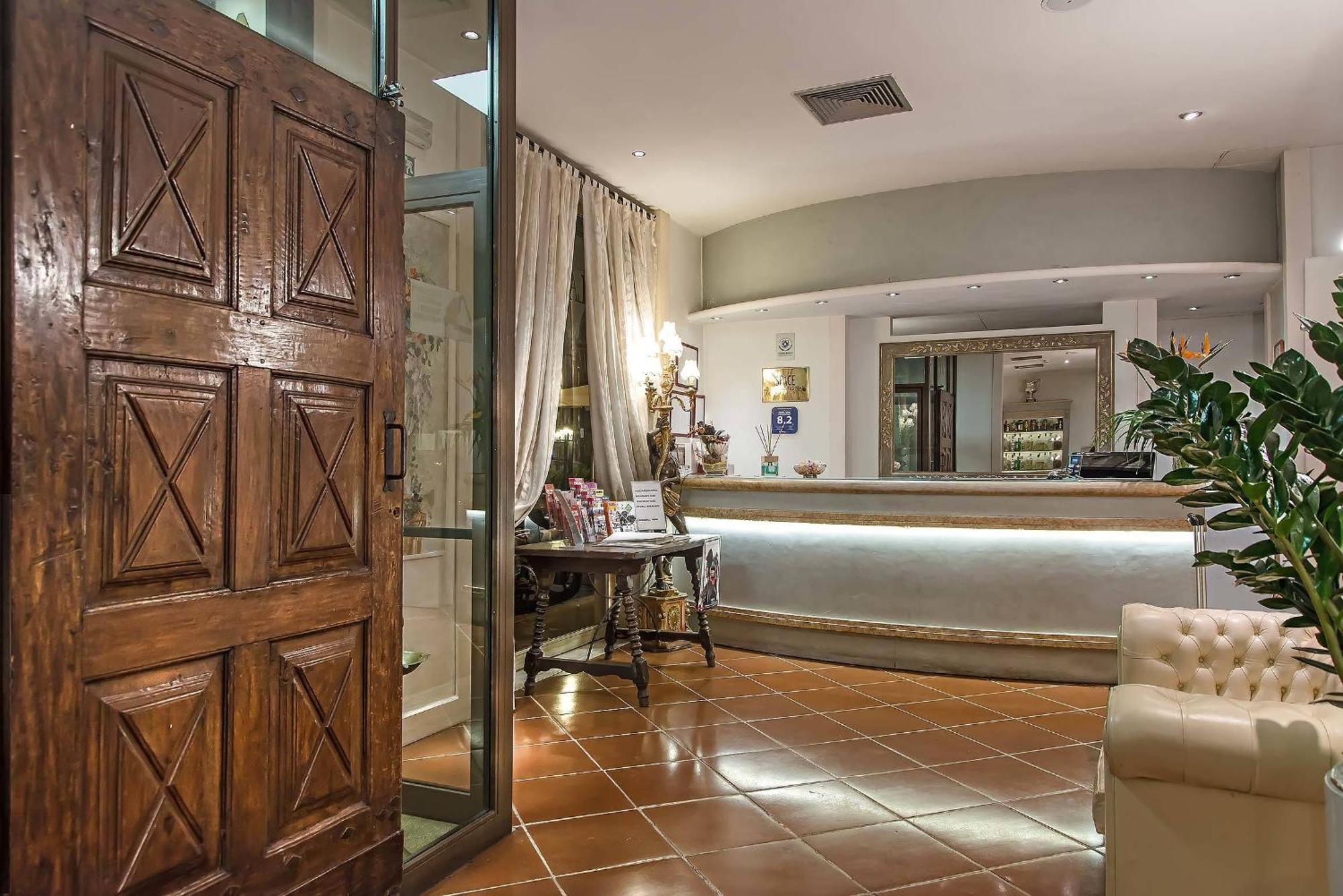
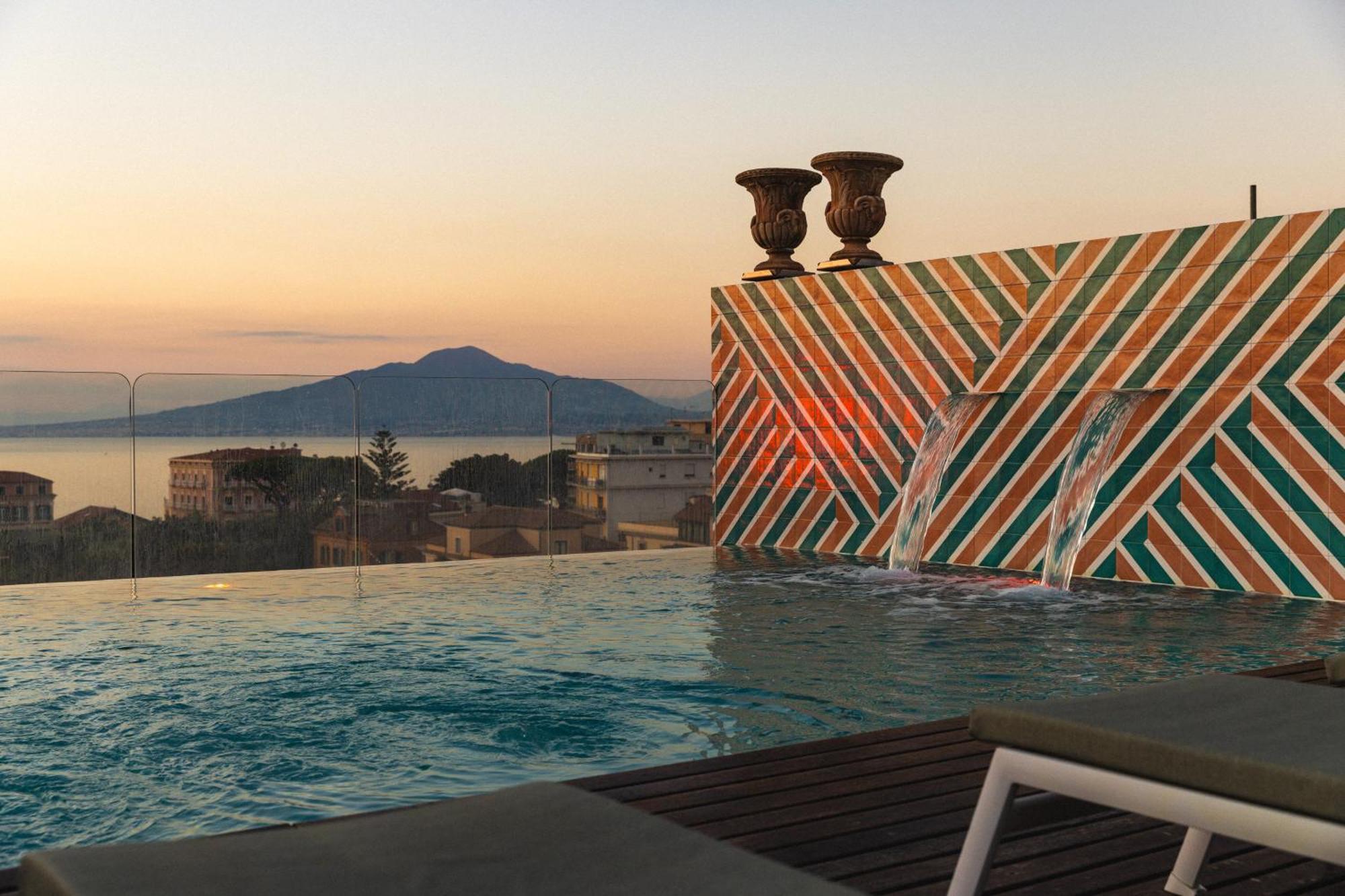
Historic hotels in Sorrento City Centre are not simply old buildings - they are former noble residences, 19th-century grand hotels, and Art Nouveau structures that have been converted with period detail intact: Murano-glass chandeliers, parquet floors, frescoed ceilings, and marble bathrooms that modern builds in the area cannot replicate. Properties classified as historic in this zone tend to occupy larger original footprints, which typically means more generous room proportions than contemporary boutique hotels at comparable price points. Rates at heritage properties in the centre can run around 30% higher than standard hotels in the same streets, but that premium usually includes architectural access - cliffside terraces, private gardens, or rooftop panoramas over the Bay of Naples - that cannot be purchased elsewhere in the city.
The main trade-off is flexibility: historic buildings have structural constraints that limit room soundproofing, elevator access to upper floors, and the size of bathrooms in original rooms. Travelers prioritizing modern amenities over atmosphere may find newer properties more predictable, but those staying in Sorrento specifically for its Belle Époque identity will find that historic hotels in the centre deliver an experience the rest of the accommodation market cannot match.
Pros:
- Authentic period interiors - parquet, frescoes, marble, and original architectural features - unavailable in modern hotels
- Larger original room footprints compared to converted boutique properties in the same streets
- Premium locations within or adjacent to Piazza Tasso, the functional and social centre of town
Cons:
- Higher nightly rates than non-heritage properties in the same zone, especially in peak season
- Structural limitations in older buildings can affect soundproofing and elevator access
- Original bathroom configurations in some rooms are compact relative to the room size
Practical Booking & Area Strategy for Sorrento City Centre
The most strategically positioned streets for historic hotels in Sorrento's centre are those within 200 metres of Piazza Tasso - Via Correale, Via Luigi De Maio, and the Piazza Tasso perimeter itself - which give immediate access to the Circumvesuviana station on Corso Italia without placing guests inside the loudest pedestrian corridors. Sorrento Train Station on Corso Italia sits under 500 metres from most central properties, making day trips to Pompeii, Herculaneum, and Naples feasible without renting a car. For ferry departures to Capri or the Amalfi Coast, the cliffside lift at Marina Piccola is the key connection point - hotels positioned on the cliff edge or with direct lift access eliminate the uphill return after evening boat trips.
Book historic hotels in the centre at least 8 weeks ahead for June through September arrivals, when occupancy across the city runs above 90% and rates peak sharply. The quietest and most atmospheric period is late October through November - crowds thin significantly, prices drop, and the clifftop walks between the centre and Marina Grande are far more accessible. For those visiting primarily to use Sorrento as a base for Capri or Positano day trips, central positioning is the most time-efficient choice, as the ferry terminal and train station are both reachable on foot.
Best Value Historic Stays
These properties offer direct access to Sorrento's central square and train connections at rates that sit below the full grand hotel tier, without sacrificing the period character that defines staying in the historic centre.
-
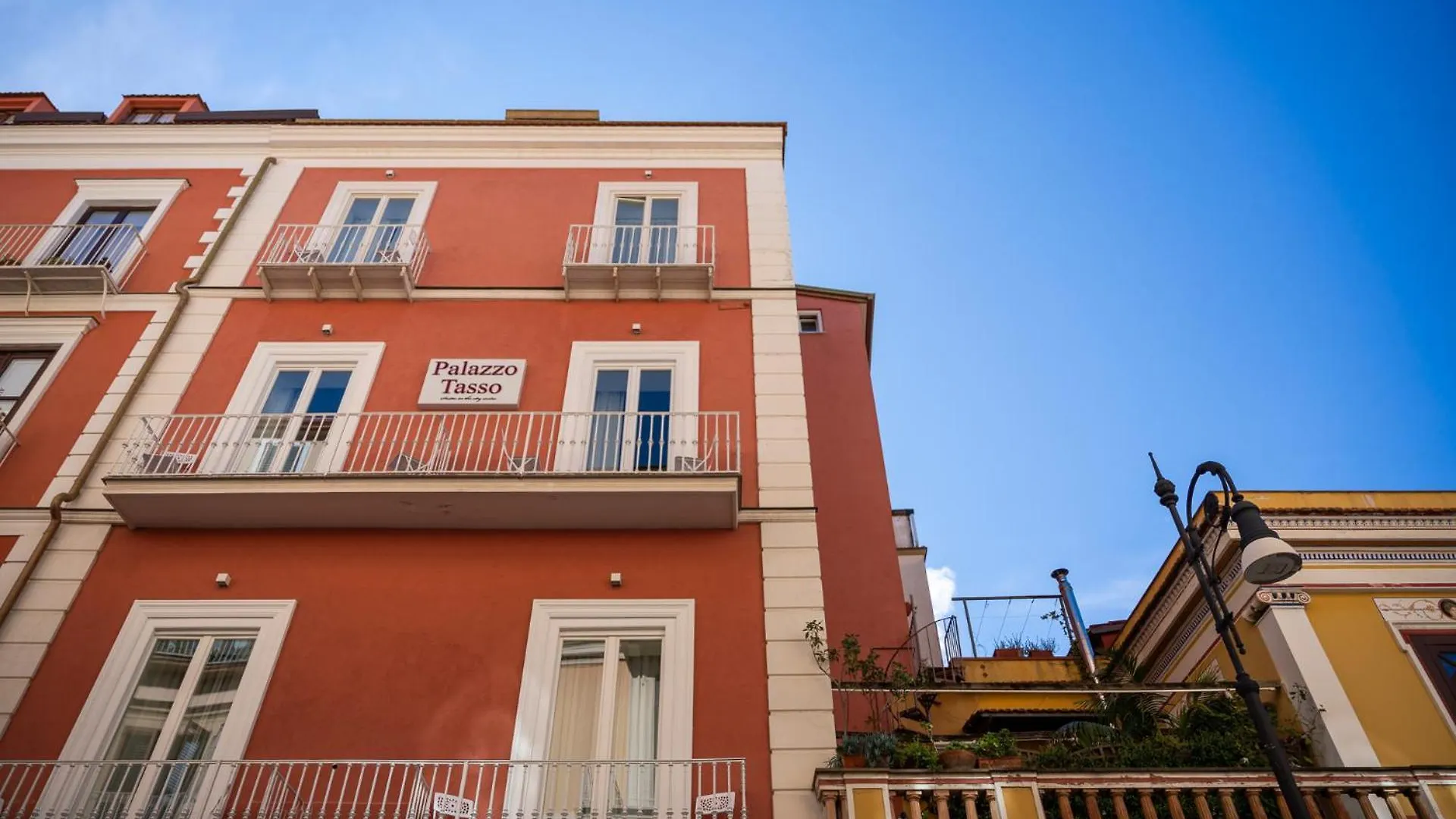
1. Palazzo Tasso
Show on map


 Check-infrom 14:00 until 22:00Check-outfrom 08:00 until 11:00
Just a few rooms left at the best rate!
from€ 114
-
2. Hotel Palazzo Guardati
Show on map


 Check-infrom 14:00 until 23:59Check-outuntil 12:00
Just a few rooms left at the best rate!
from€ 305
Best Premium Historic Stays
These two properties represent the full grand hotel experience in Sorrento - cliff-edge positions, private gardens, spa facilities, and the kind of architectural scale that defined the original 19th-century tourism trade on the Bay of Naples.
-
3. Grand Hotel De La Ville
Show on map


 Check-infrom 15:00 until 23:59Check-outuntil 11:00
Hurry – almost gone at this price!
from€ 197
-
4. Grand Hotel Excelsior Vittoria
Show on map


 Check-infrom 15:00 until 23:59Check-outfrom 02:00 until 11:00
Rooms filling fast – secure the best rate!
from€ 957
Smart Travel & Timing Advice for Sorrento City Centre
Sorrento's city centre operates on a sharply seasonal rhythm. July and August are the peak months, when historic hotel rates reach their highest point and availability at cliff-edge properties with sea views closes out weeks in advance. Booking 8 weeks ahead for high-season stays is a minimum strategy for the grand hotel tier; properties directly on Piazza Tasso or with harbour lift access often fill faster. April, May, and early June offer the most balanced window - daytime temperatures are suitable for coastal walking and ferry travel, crowds on Corso Italia and Via San Cesareo are manageable, and rates sit noticeably below the summer ceiling.
September retains good weather and remains busy but begins to ease toward the end of the month. October and November bring the sharpest price drops and the quietest atmosphere in the historic centre, though some hotel terraces and rooftop pools close for the season by late October. For travelers using Sorrento primarily as a base for Amalfi Coast or Capri day trips, a stay of 3 nights in the centre is typically sufficient to cover the main ferry-accessible destinations without rushed itineraries. Last-minute availability in the centre is rare between June and September; it becomes a realistic strategy only from November through March, when the off-season creates consistent room availability across all historic properties.