Piazza Maggiore sits at the absolute geographic and cultural centre of Bologna's Centro Storico, making hotels here the most strategically positioned in the city. This guide compares two distinct options - one directly overlooking the square, one a short walk away near the main station axis - so you can match your stay to your actual travel priorities before booking.
What It's Like Staying in Piazza Maggiore
Staying directly in or immediately around Piazza Maggiore means you are on foot to the Basilica di San Petronio, the Palazzo d'Accursio, the Due Torri, and the Quadrilatero market district - none of these require a bus or taxi. Almost every major Bologna attraction falls within a 15-minute walk from this square, which is a genuine operational advantage for a short city break. The area sits inside Bologna's ZTL (Zona a Traffico Limitato), active every day from 7:00 to 20:00, so arriving or leaving by car requires prior coordination with your hotel.
Piazza Maggiore is a living public space: market events, open-air cinema in summer, and evening gatherings mean ambient noise peaks between late afternoon and midnight, particularly on weekends.
Pros:
- * Zero-transport access to Bologna's most visited medieval monuments, food markets, and historic porticoes
- * The square's central bus stops connect directly to Bologna Centrale railway station in around 10 minutes
- * Hotels in the immediate area tend to offer soundproofed rooms, making the lively street level less disruptive than it appears
Cons:
- * The ZTL restriction means driving into the area is not possible between 7:00 and 20:00 without a hotel-registered permit
- * Weekend evenings and summer months bring significant foot traffic and outdoor noise that lighter sleepers will notice
- * Rates in this micro-location run noticeably higher than equivalent hotels even 10 minutes further out near the station
Why Choose a Hotel in This Part of Bologna
Hotels positioned on or just off Piazza Maggiore occupy some of the most historically significant real estate in northern Italy, which is reflected in nightly rates - expect to pay around 30% more than comparable 4-star options closer to Bologna Centrale. What you receive in return is not just proximity but a fundamentally different stay rhythm: breakfast and a morning walk to the Archiginnasio, lunch from the Quadrilatero stalls, evenings spent at the square without factoring in transport. Room sizes in this zone tend to be smaller than suburban equivalents due to the historic building stock, but suite and apartment formats are available in both properties featured here. The trade-off is clear: you pay a location premium and accept tighter spaces in exchange for having Bologna's medieval core as your immediate backdrop.
Travellers spending only 2 nights in Bologna gain the most from this positioning; those on longer stays with day-trip plans may find the station-adjacent corridor a more practical base.
Pros:
- * Immediate walkability to the city's primary cultural circuit without any transport dependency
- * Both hotels in this guide are housed in historic buildings with architecture that reflects the character of the Centro Storico
- * Soundproofed rooms are standard in this zone, offsetting the street-level animation
Cons:
- * Nightly rates carry a visible location premium compared to hotels outside the ZTL perimeter
- * Historic building layouts mean some standard rooms are compact; views and room type matter more here than elsewhere
- * Self-drive guests must coordinate car access with the hotel in advance or use the paid public car parks at the ZTL boundary
Practical Booking & Area Strategy
For the best micro-positioning, hotels directly on or within one block of Piazza Maggiore - such as Via dell'Indipendenza, Via Ugo Bassi, or Via IV Novembre - give you immediate square access without the full noise exposure of a room facing the piazza itself. Via dell'Indipendenza is the main north-south artery connecting the square to Bologna Centrale, and bus lines 30 and 36 run this corridor continuously. Booking at least 6 weeks ahead is necessary for peak periods - September's Motor Show season, the spring trade fair weeks in April and May, and the Christmas market period in December drive occupancy to near-capacity across the Centro Storico. Bologna's low season falls in January, February, and most of August, when rates drop and the square is far quieter - arguably the most pleasant time to experience it on foot. The square itself is entirely pedestrianised, and evening atmosphere around Piazza Maggiore is considered safe and animated rather than problematic; the porticoes that line the surrounding streets remain lit and populated well into the night.
Best Value Stay
One hotel in this guide offers strong positioning near the Bologna Centrale axis with easy bus access to Piazza Maggiore, making it a logical choice for those who want value alongside central convenience.
-
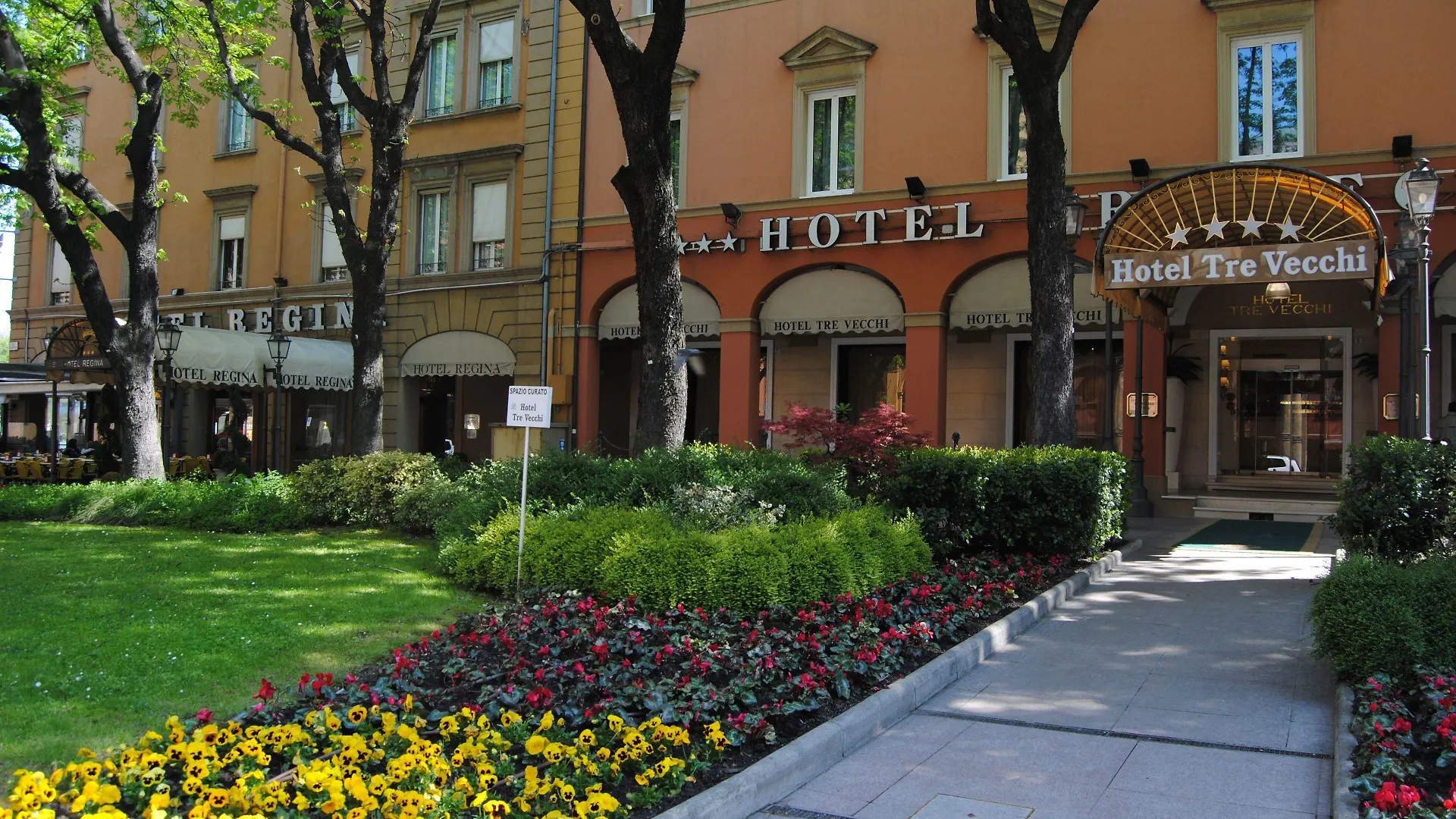
1. Zanhotel Tre Vecchi
Show on map


 Check-infrom 14:00 until 23:30Check-outfrom 02:00 until 11:00
Just a few rooms left at the best rate!
from€ 68
Best Premium Stay
For those who want to sleep directly in the orbit of Piazza Maggiore, Art Hotel Orologio is the standout option - positioned literally across from the Town Hall's clock tower in a traffic-free zone.
-
2. Art Hotel Orologio
Show on map


 Check-infrom 15:00 until 23:59Check-outuntil 11:00
Hurry – almost gone at this price!
from€ 185
Smart Travel & Timing Advice
April, May, September, and October are the busiest and most expensive months in the Piazza Maggiore area, driven by trade fairs at BolognaFiere, the university calendar, and peak leisure travel. During these windows, both hotels in this guide can reach full occupancy weeks in advance, and rates reflect that demand - booking 6 weeks out is a minimum for getting your preferred room type. July and August see a different dynamic: trade fair activity drops, many locals leave the city, and the square transitions into a quieter, more relaxed version of itself with open-air cinema screenings through July. January and February offer the lowest rates of the year in this zone - often around 25% below peak - with minimal crowds and the historic centre largely returned to Bolognesi daily life rather than tourism. A 2-night stay is the practical minimum for guests basing themselves around Piazza Maggiore; 3 nights allows day trips to Modena, Ferrara, or the Apennine hills without feeling rushed. Last-minute booking is risky here: the Centro Storico has limited room supply relative to demand, and the on-square properties are the first to fill.